

Complete guide
House Painting Is a Sequence, Not Just a Coat of Colour.
The quality of the finish depends on what happens before, between and after the coats. Use this guide to plan the scope, compare options and prepare for execution.
Quick answer
What does house painting involve?
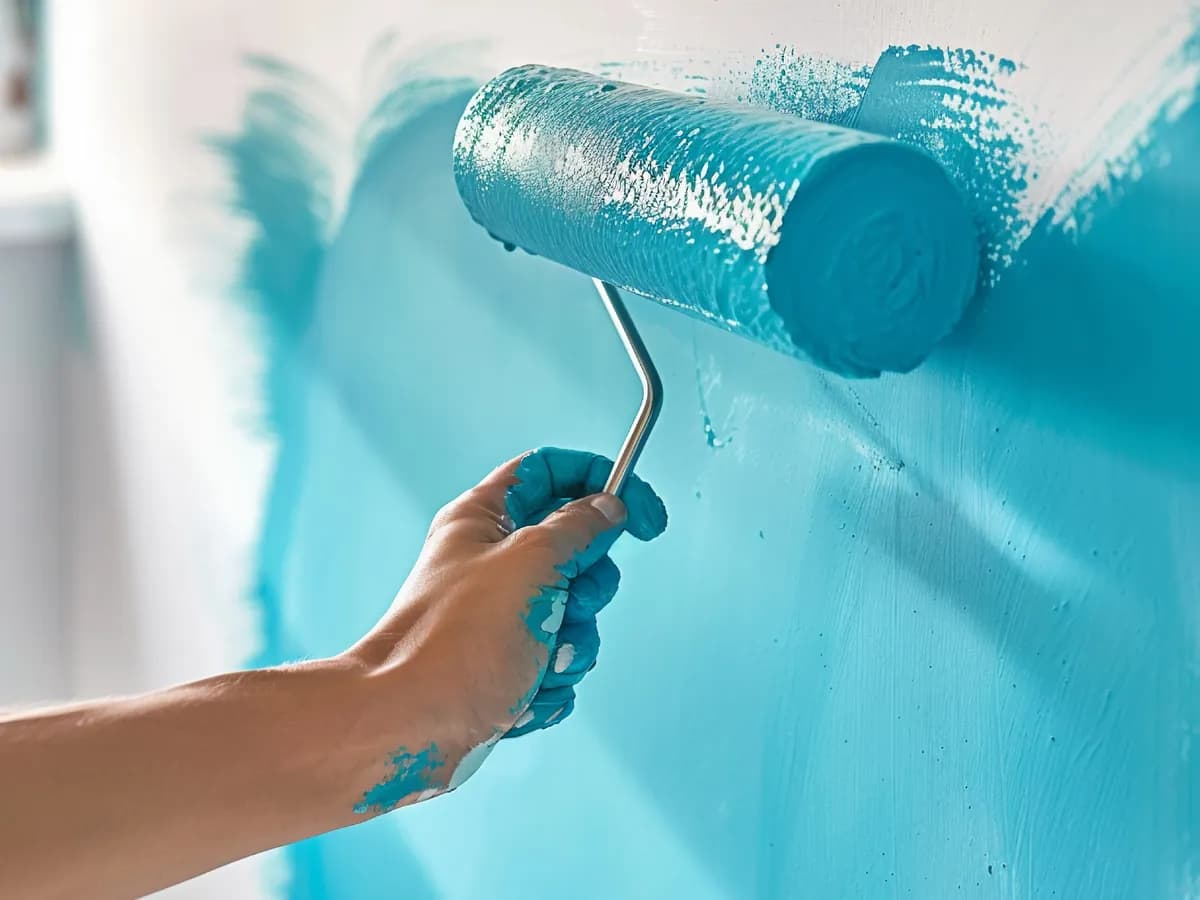
Professional house painting generally involves site inspection, measurement, colour and product selection, property protection, surface cleaning and preparation, repairs where appropriate, primer and paint application, drying between coats, touch-ups, cleanup and final inspection. The exact system should match the surface and project requirement.
The nine steps of a painting project
- 01
Define the outcome
A move-in project, rental refresh, full repaint, exterior protection and decorative feature wall have different priorities. Decide which rooms matter now and which can wait.
- 02
Inspect the surfaces
Look for peeling, powdery paint, cracks, uneven patches, stains, mould-like growth and moisture marks. Repainting over an unresolved problem improves appearance only temporarily.
- 03
Decide what is included
List walls, ceilings, balconies, doors, frames, windows, grills and feature surfaces separately. A clear scope prevents assumptions later.
- 04
Select the paint system
Choose products by surface, location, desired finish, maintenance needs and budget. The product range and suitability matter more than the brand name alone.
- 05
Choose colours in the actual space
Light, room size, flooring, furniture and neighbouring colours change how a shade appears. Test on the wall and review at different times of day.
- 06
Prepare the property
Move personal and fragile items, define furniture handling, confirm access and agree on protection. In occupied homes, plan the order of rooms.
- 07
Prepare the surface
Cleaning, scraping unstable paint, sanding, crack treatment, local levelling, putty and primer. Not every wall needs every step.
- 08
Apply and allow to dry
Coats should be applied according to the selected system and allowed to dry as recommended. Rushing recoating affects appearance and performance.
- 09
Inspect before handover
Review finish consistency, edges, cut lines, missed patches and agreed touch-ups under normal lighting. Confirm cleanup and care instructions.
What determines budget and timeline?
Budget
Paintable area, surface condition, fresh painting versus repainting, preparation, paint range, number of coats, occupied status, height, access and additional surfaces.
Timeline
Project size, preparation, drying, colour changes, access and work sequencing. A smaller project with major repairs may take longer than a larger project with stable surfaces.
House-painting checklist
- Define rooms and surfaces
- Photograph problem areas
- Set budget and completion priorities
- Compare written scopes
- Confirm products and colours
- Agree on property protection
- Plan furniture and access
- Record exclusions and changes
- Review each completed area
- Keep the final quotation and product details
Frequently asked questions
Should I choose the colour or the paint product first?
First identify the room, surface and performance requirement. Then shortlist a suitable product range and select available shades within it.
Does every repainting project need primer?
No. Primer need depends on surface condition, repairs, existing coating and the new paint system. It should be recommended for a reason.
Can cracks be fixed during painting?
Minor paintable cracks may be treated as part of preparation. Recurring, structural or moisture-related cracks may require diagnosis beyond painting.
How can I reduce painting cost responsibly?
Prioritise rooms, avoid unnecessary surface treatment, choose a product appropriate to the need and compare equivalent scopes. Do not remove preparation that the surface genuinely requires.
Turn the Guide into a Plan for Your Property.
Last reviewed 21 Aug 2026